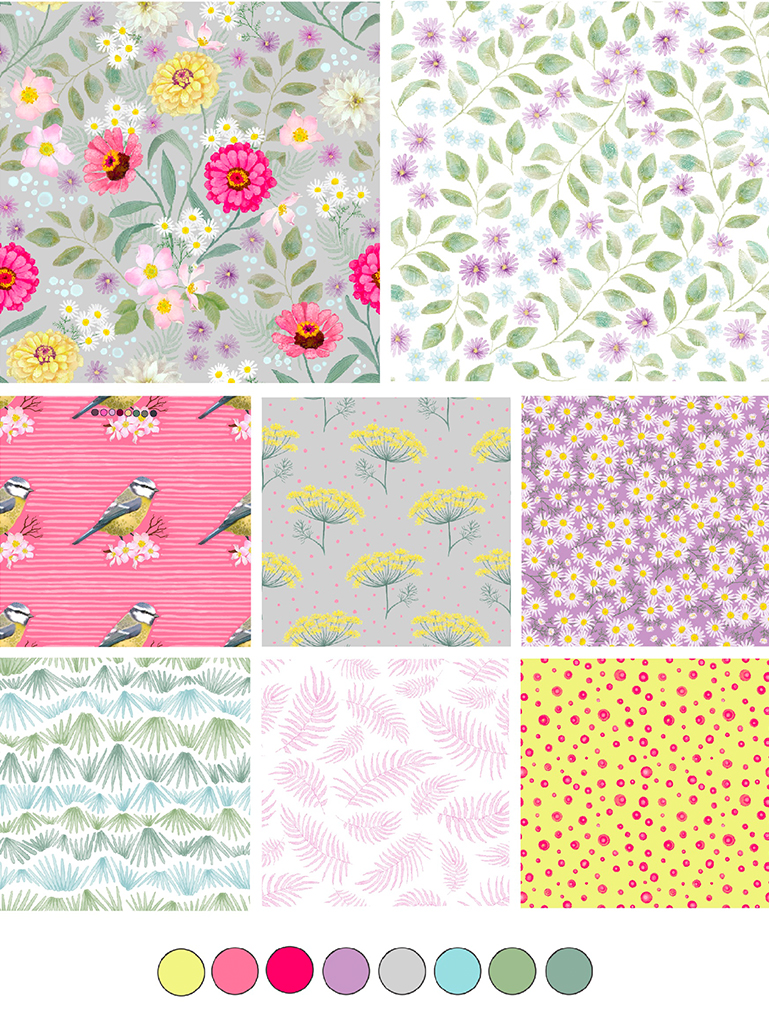
There’s a quiet shift happening in the design world — and if you’ve been second-guessing your wobbly lines, your hand-lettered imperfections, or the slightly uneven repeat in your latest pattern, this is your sign to stop.
Because right now, in 2026, those “flaws” might just be your greatest selling point.
The Trend Nobody Saw Coming (But All of Us Felt)
For years, the design world chased polish. Crisp vectors. Perfectly balanced compositions. Symmetry so precise it could only have come from a computer — because, well, it usually did. And then something interesting happened. People got tired of it.
Not overnight, and not all at once. But scroll through Etsy right now and you’ll notice a different energy rising to the top. Designs that feel drawn by a human hand. Patterns with a slight wobble. Illustrations that look like someone actually sat down with a brush and made a mark on paper. Etsy has officially named their 2026 aesthetic direction around exactly this feeling — embracing ease, authenticity, and what they’re calling “perfectly imperfect” beauty.
The market isn’t just tolerating handmade-looking design. It’s actively seeking it out.
What Does “Hand-Drawn” Actually Mean in Pattern Design?
Here’s where it gets interesting — and where a lot of artists misread the trend.
“Hand-drawn” doesn’t mean unfinished. It doesn’t mean rough for the sake of rough, or deliberately bad. What it means is human. It means a design that carries the trace of a real person’s decision-making: the way your brush naturally curves, the slight variation in line weight, the organic shape that no algorithm would have generated because it came from your particular hand on a particular afternoon.
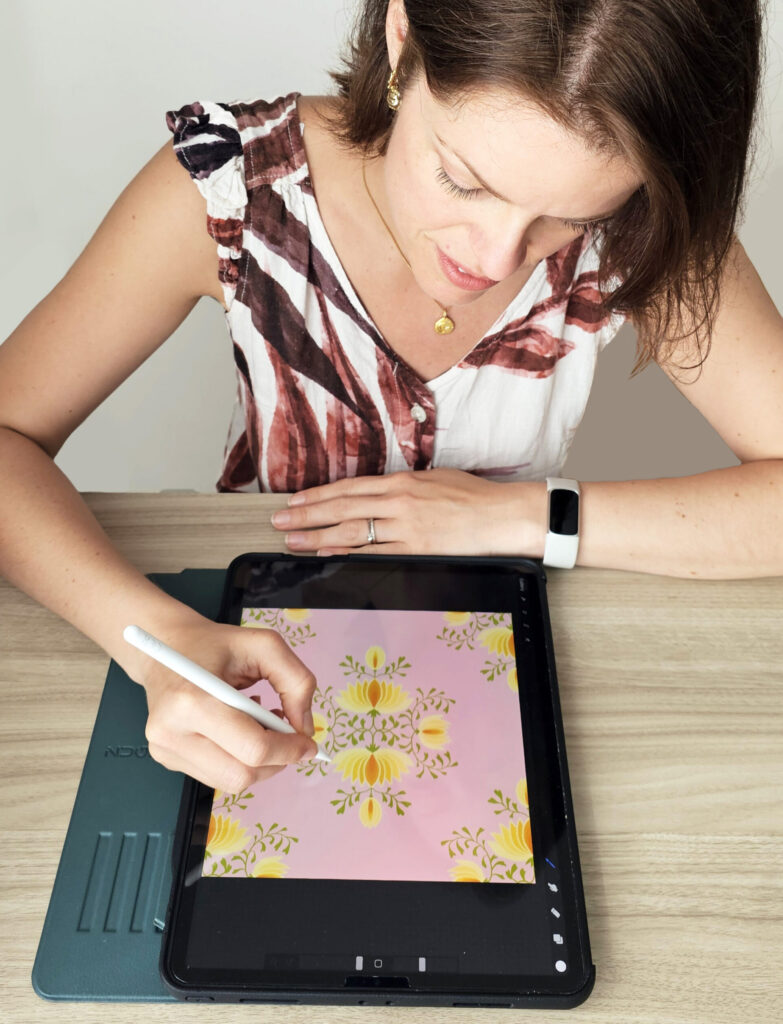
You might create entirely digitally. That’s completely fine — this isn’t about tools, it’s about intention and outcome. The question is: does your work feel like it came from a person, or does it feel like it came from a template?
Some ways this quality shows up in pattern design:
- Organic shapes over geometric perfection — curves that breathe rather than snap to a grid
- Varied line weights that suggest the natural pressure of a pen or brush
- Asymmetry and imperfect repetition — where elements in a repeat aren’t carbon copies of each other
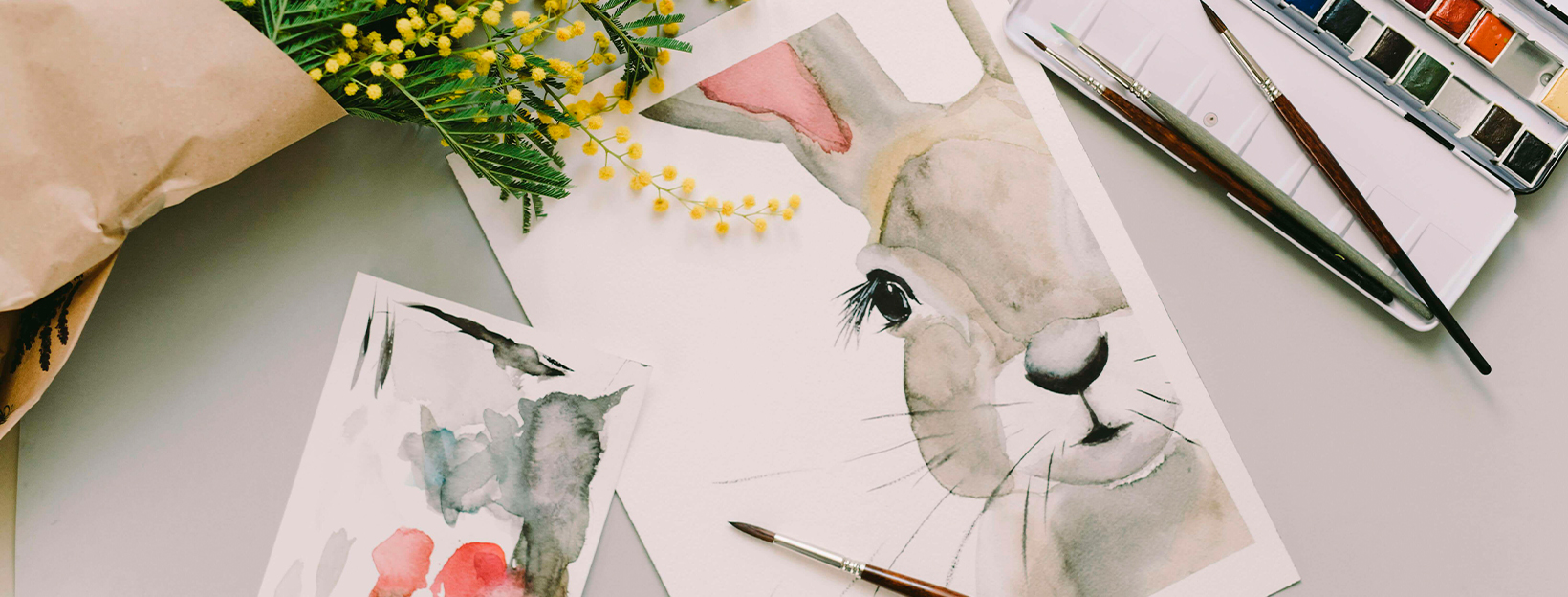
- Visible texture — grain, brushwork, watercolour bloom, the ghost of a pencil underdrawing
- A slightly unexpected colour palette — one that feels chosen by a human eye rather than generated by an algorithm
None of this requires you to abandon your digital workflow. It just means bringing some of those human qualities back in, intentionally.
Why This Is Happening Now
It’s worth understanding why this shift is gaining such momentum, because it’s not a passing micro-trend. It has roots.
We are living through the largest explosion of generated imagery in history. AI tools can now produce thousands of images in the time it used to take an artist to sketch a single concept. Social media feeds are filling up with content that looks polished, competent — and somehow all the same.
The visual noise is real, and people are starting to feel it.
When everything looks “good” in a generic sense, “good” stops meaning anything. What starts to cut through is the stuff that feels specific — work that could only have come from one person, one perspective, one creative sensibility. Work that has, for want of a better word, a soul.
This is why the hand-drawn aesthetic isn’t just a style trend — it’s a response to a cultural moment. Buyers aren’t just choosing a pretty pattern. They’re choosing evidence of a human being.
The “Wabi-Sabi” Effect — And Why It Translates to Sales
There’s an old Japanese concept called wabi-sabi: finding beauty in imperfection, in the transient, in the incomplete. A cracked glaze on a ceramic bowl. The asymmetry of a handmade spoon. The faded colour of something well-loved.
Western design is catching up to this idea in a significant way.
Etsy’s 2026 Texture of the Year — Washed Linen — is essentially wabi-sabi in fabric form. Something that looks lived-in from the start. And their community-chosen Colour of the Year, Patina Blue, is inspired by the oxidation of copper: a colour that only exists because something has aged, changed, and acquired character over time.
These aren’t accidental choices. They reflect what buyers are responding to emotionally — things that feel like they have a history, even when they’re brand new.
For pattern designers, this is a genuinely exciting moment. The qualities that make handmade work feel unique — the slight variations, the organic edges, the sense of process — are exactly the qualities that are being sought after right now. You don’t need to iron them out. You need to lean into them.
Practical Ways to Bring More “Human” Into Your Work
Whether you’re a painter who scans their work, an illustrator working in Procreate, or someone building patterns entirely in Illustrator, here are some ways to consciously invite more of that handmade quality in:
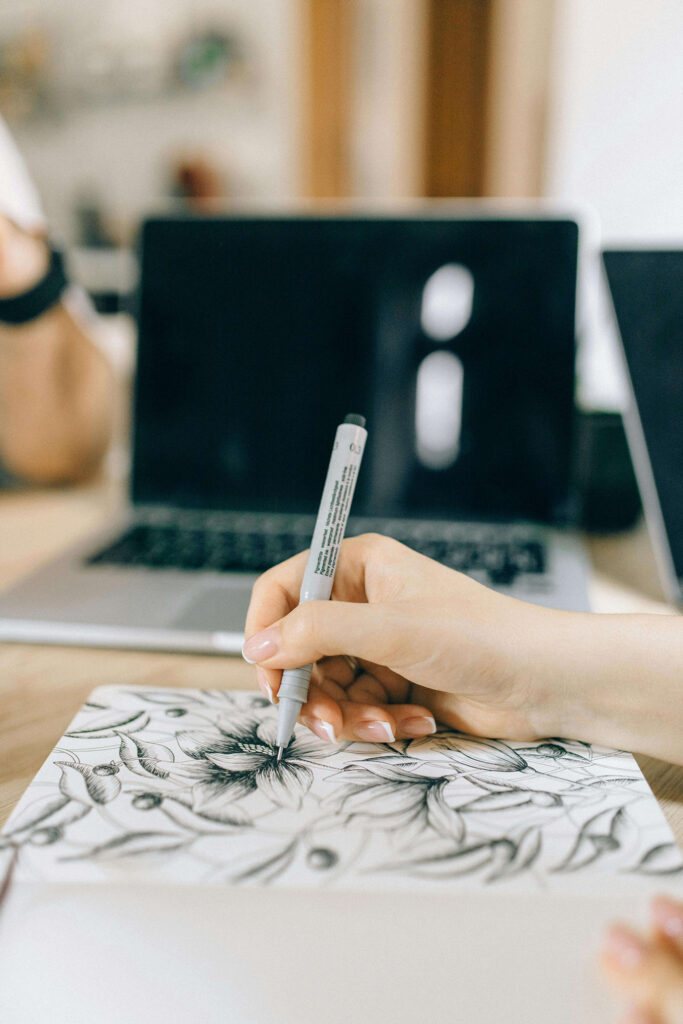
1. Start analogue, even partially. Even a quick pencil sketch that you then develop digitally will carry traces of your hand into the final work. Those traces matter. The slight hesitation in a line, the way you naturally taper a curve — these become your visual signature.
2. Resist the urge to clean everything up. The next time you’re about to spend twenty minutes perfecting a slightly wonky edge — pause. Ask yourself whether the wobble is actually a problem, or whether it’s character. Sometimes the answer will be “yes, this needs fixing.” But sometimes you’ll realise the wobble is the design.
3. Vary your elements within a repeat. Instead of copy-pasting a single element across your pattern, try drawing each instance slightly differently, or introducing small variations in scale, angle, or colour. The eye finds this kind of subtle irregularity genuinely pleasing — it reads as made, not generated.
4. Bring texture in deliberately. A paper texture overlay, a scanned linen background, a subtle grain — these can transform a clean digital pattern into something that feels tangible. Buyers can almost feel texture through a screen, and that sensory quality is a powerful thing.
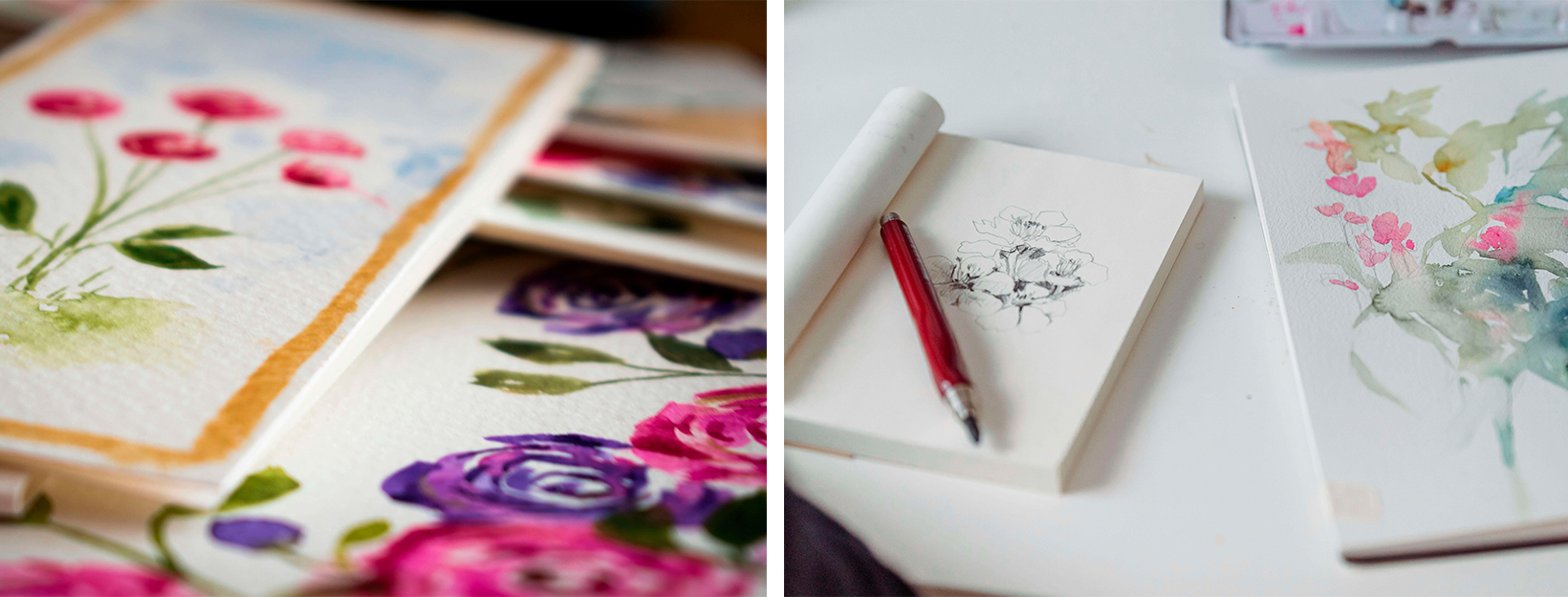
5. Show your process. This one goes beyond the work itself — but in 2026, your creative process is part of your product. A short video of your sketchbook, a photo of your desk mid-work, an in-progress scan before everything was tidied up — these things build trust and connection in a way a finished flat lay simply can’t.
Your Style Is Not a Bug. It’s the Feature.
If there’s one thing to take away from all of this, it’s that the things you might have been trying to minimise about your work — the personal quirks, the visible hand, the style that makes yours look different from everyone else’s — are increasingly what buyers are looking for and willing to pay for.
The design world is in the middle of a long exhale. After years of striving for a certain kind of perfection, there’s a collective turning towards things that feel real, felt, and made with care.
Your imperfect line is a signature. Your particular way of mixing colour is a voice. The slightly odd proportion in your repeat is proof that a person made this.
Own it.
If you’d like to know more about how to use design trends successfully in your own style without copying anyone, read my previous blog post here.
Enjoyed this? Part 2 of The Human-Made Advantage is now live— we’re diving into AI, what it actually means for artists, and why the rise of artificial creativity might be the best thing that’s ever happened to human-made art. Read Part 2 →
If this resonated with you, I’d love to stay connected. Come find me on Instagram where I share work in progress, sketchbook peeks, and the honest reality of building a creative life — it’s the best place to see the ideas behind the ideas. And if you’d like thoughtful posts like this one landing quietly in your inbox, you’re very welcome to subscribe to my newsletter. No noise, no overwhelm — just creativity, pattern design, and the occasional behind-the-scenes moment from my studio. Thank you so much for being here and reading. It genuinely means a lot.